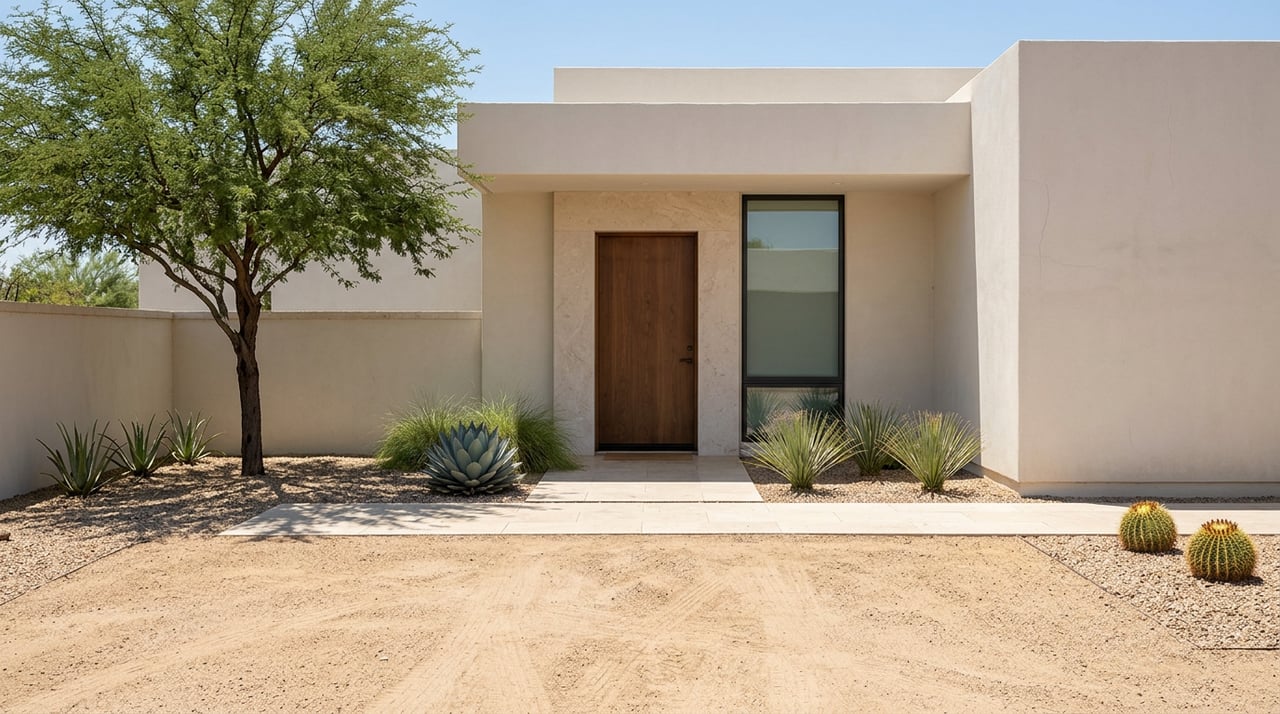
Paradise Valley Luxury Market 2026: Two Markets, One ZIP
August 13, 2026
August 13, 2026
As KTAR reported, broker Katrina Barrett said, "Paradise Valley is getting a nice new neighbor."
Her listing, 5531 East Mockingbird Lane, closed on July 9 for $40.24 million, an all-cash sale that reset the record for the most expensive home ever sold in Arizona. The 20,919-square-foot estate sits on nearly two acres with views toward Mummy Mountain, was designed by Candelaria Design, built on speculation by Arcadia Custom Builders, and traded to a Delaware-registered buyer entity with a Houston-area address, according to KTAR's reporting. It broke the previous state record of $33.5 million, set just seventeen months earlier in February 2025.
That is the version of Paradise Valley that makes the news. It is also the version that tells you almost nothing about what your own move here will cost, how long your listing will sit, or whether the number on Zillow means what you think it means. The town runs on a single ZIP code, 85253, and that single ZIP code is quietly running two markets at once, moving in different directions, at the same time.
Above roughly $10 million, Paradise Valley in 2026 looks unstoppable. A modern estate on Casa Blanca Drive sold this year for $20.9 million in an all-cash deal, at roughly $1,798 per square foot, and a custom home on 39th Place traded for $12.25 million cash, setting a new per-square-foot resale record for the town at $1,938. Homes above 1,500 feet of elevation on Camelback Mountain routinely command a premium over flatland comparables for exactly this reason. Three separate $20 million-plus closings landed within the same ten-day stretch in early March, and at least ten sales above $10 million have closed so far this year. Nearly all of it closed in cash. Wealthy buyers relocating from California, Illinois, and other high-tax states have increasingly paid cash to skip jumbo-loan underwriting and appraisal risk, a pattern local market reporting continued to confirm as recently as this summer.
Below that tier, the story reads differently. Homes over $3 million with a build date of 2019 or earlier, in the 3,000 to 8,000 square foot range, closed at an average of $795.80 per square foot between April 8 and June 8, 2026, a drop of nearly 5 percent from April 2024. Put $1,798 per square foot next to $795.80 and the higher figure is a little more than twice the lower one, inside the same quarter, inside the same ZIP code. A townwide median cannot see that gap. It just averages it away.
That gap is the reason a single median sale price, whether it is $4.6 million or $5.2 million depending on which quarter you pull, tells a buyer or seller almost nothing useful about their own transaction. The Phoenix metro's top price quartile has appreciated 6.2 percent year over year in 2026, according to market analysts at CoStar Group cited in the Real Deal's coverage of the Mockingbird Lane sale, while lower-priced tiers moved between flat and 1.9 percent. Paradise Valley is where that split shows up most sharply, because it is where the cash tier and the financed tier sit closest together on paper and furthest apart in practice.
While the trophy tier was setting records, the middle of the market was quietly shifting toward buyers. Active inventory jumped 42 percent month over month heading into June 2026, pushing the town to roughly ten months of supply and creating the strongest buyer position in 85253 in a year and a half. Days on market climbed to 121 in May, up from 97 in April.
Two things are true in the same ZIP code right now, and neither one is the whole picture:
A buyer or seller who only reads the median will misjudge one of these two markets. The practical fix is to stop reading price alone and start reading price per square foot, sorted by build year and by pocket.
The bifurcation is not evenly distributed. It clusters around specific corridors and enclaves, each with its own buyer profile.
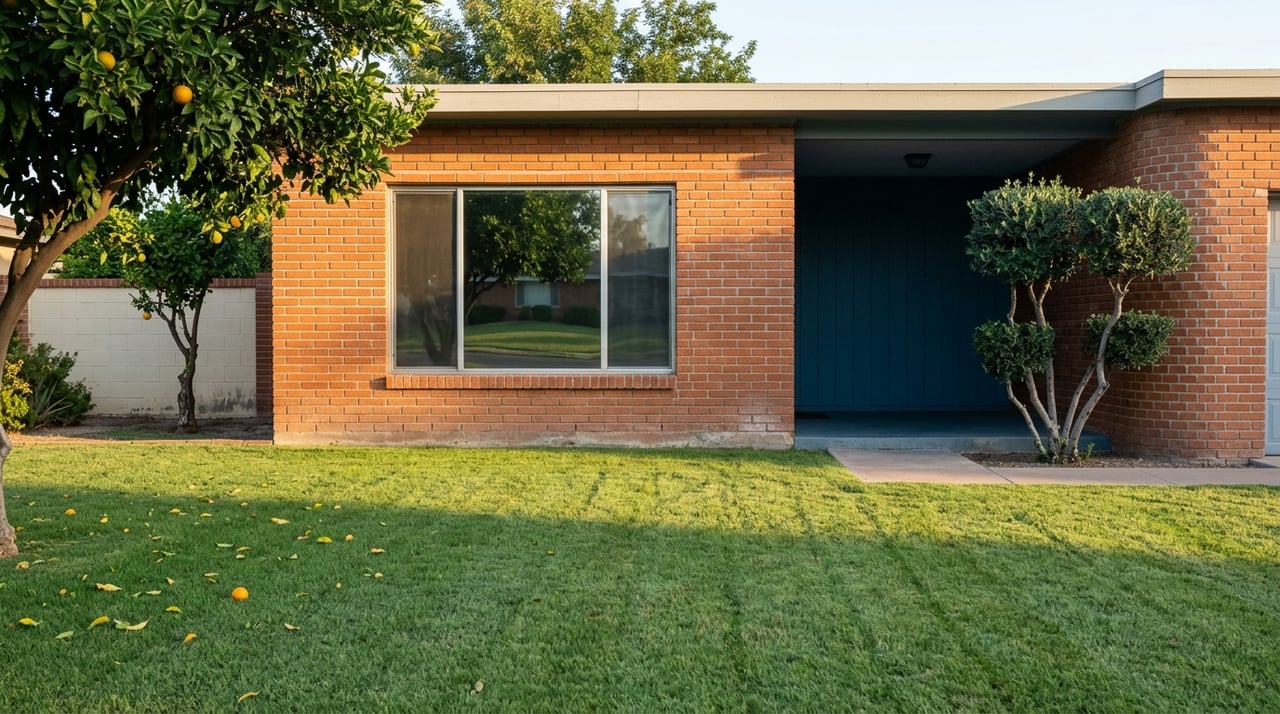
Camelback Country Club Estates, anchored on the Tatum Boulevard corridor around the historic Paradise Valley Country Club, mixes original 1960s ranch homes with substantial new construction on mature one-acre lots. It is where the town's oldest housing stock meets its newest architectural demand. A few minutes away, the Cheney corridor offers flatter, more walkable lots with a similar 1950s and 1960s housing base, and it is where teardown activity for new custom builds tends to concentrate.
Guard-gated enclaves including Clearwater Hills, Finisterre, Judson Estates, Paradise Reserve, and Azure at Ritz-Carlton sit apart from both, carrying HOA dues that fund private gate staffing and shared landscape maintenance rather than the architectural review boards common in planned developments elsewhere in the Valley. Azure and Paradise Reserve in particular are drawing second-home buyers toward lock-and-leave configurations, and this year's inventory swing means more selection in those two communities than has existed in over a year.
Because Paradise Valley is nearly built out, most opportunity in the middle tier comes from replacing what already exists rather than developing raw land. The economics can work cleanly: land-only teardown opportunities have been trading around $2 million to $3 million, and pairing one with a $5 million to $7 million custom build produces a finished asset in the $8 million to $12 million range, comfortably below the $15 million-plus trophy tier where the headline sales live.
The number that catches buyers off guard sits in the town's own zoning ordinance, not in the comps. On certain large-lot R-175 parcels, the required front setback depends entirely on whether a qualifying primary building existed on the site before June 13, 1991. If one did, the front setback is 40 feet. If it did not, the required setback jumps to 100 feet, according to the town's zoning ordinance. Tear down the wrong structure on the wrong parcel and a buyer can lose 60 feet of buildable frontage before the first drawing is submitted. Layer on the town's roughly 25 percent floor area cap, as Jematell Homes' guide notes and its height limits, and it becomes clear why the zoning read has to happen before the inspection, not after it.
Hillside-designated lots add another layer entirely. Any parcel with a natural slope of 10 percent or more falls under Hillside Building Committee review before a permit is issued, covering everything from grading and drainage to lighting and building materials.
If your target is in the $2 million to $5 million range, you are shopping into a genuine buyer's window this year. Write offers based on the comps in your specific pocket, not the list price, and expect more room to negotiate than the headline sales would suggest.
If your target is $10 million and above, treat the market as an information problem rather than a pricing problem. A meaningful share of trophy inventory moves through agent relationships and pre-listing conversations before it ever reaches a portal, and speed and access matter more than shaving a percentage off an offer.
If you are financing a purchase anywhere in the middle tier, plan your contract around the appraisal contingency rather than against it. When recent comps in your pocket are dominated by cash sales at outsized per-square-foot prices, an appraisal gap is a real possibility worth underwriting for before you write, not after you're under contract.
Is Paradise Valley a buyer's market or a seller's market right now? Both, depending on price band. The $2 million to $5 million tier has shifted toward buyers with rising inventory and longer days on market. The trophy tier above $10 million remains a seller's market driven by cash buyers with few comparable alternatives.
Why did price per square foot rise townwide while some homes got cheaper? A townwide average blends a small number of very high-priced cash sales with a much larger pool of financed resale activity. When the top of the market accelerates faster than the middle softens, the blended number rises even as many individual sellers see softer pricing.
Does a teardown always make sense on a premium lot? Not automatically. Setback rules tied to a building's construction date, floor area caps, and hillside review requirements can all reduce what a rebuilt home is legally allowed to be, sometimes significantly. The zoning read should come before the demolition estimate.
Paradise Valley rewards buyers and sellers who read the market at the pocket level rather than the ZIP code level. If you're weighing a move into this town, comparing it against Scottsdale or Arcadia, or trying to figure out what your own property's teardown math actually looks like, John Zook can walk through the comps and the zoning read together before you write an offer or set a list price. Let's connect.
This article is general information, not legal, tax or financial advice. Consult a qualified professional about your situation.
Experience a real estate partnership built on trust, expertise, and genuine care. John brings a lifelong understanding of what “home” truly means to every client and every decision.