Daily Life In Arcadia’s Coveted Neighborhoods
May 28, 2026
May 28, 2026
If you are considering Arcadia, you are probably asking a bigger question than where the property lines begin. You want to know what everyday life actually feels like once the boxes are unpacked. In a neighborhood known for citrus trees, shaded streets, canal paths, and easy access to both Phoenix and Scottsdale, the answer is more layered than a map can show. This guide walks you through the rhythms, amenities, and lifestyle cues that help define daily life in Arcadia. Let’s dive in.
Arcadia is best understood as a collection of closely connected neighborhood pockets rather than one rigidly defined district. City and neighborhood sources describe the area somewhat differently, so it is more accurate to think in terms of Arcadia Proper, Arcadia Camelback, or Arcadia Osborn when precision matters.
In broad terms, the area commonly called Arcadia sits north of the Arizona Canal and south of Camelback Mountain, between 44th Street and Scottsdale Road. It is part of Phoenix’s Camelback East Village, a district shaped by desert parks, mountain preserves, and outdoor activity.
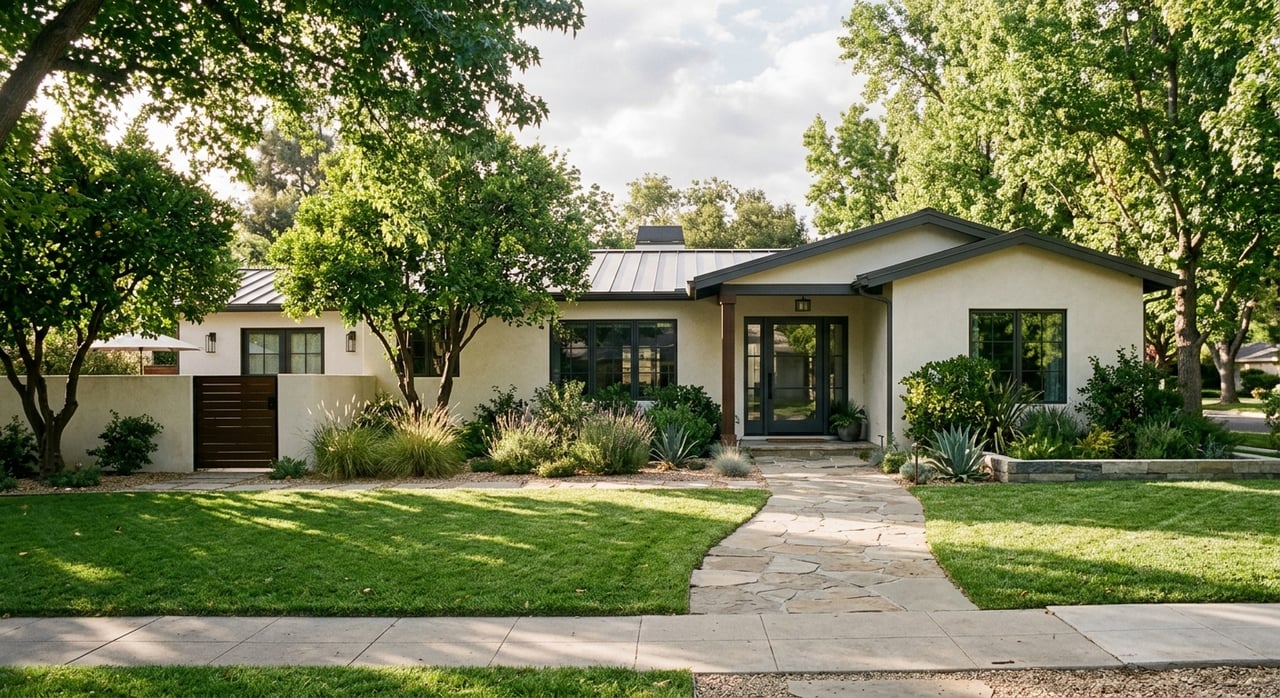
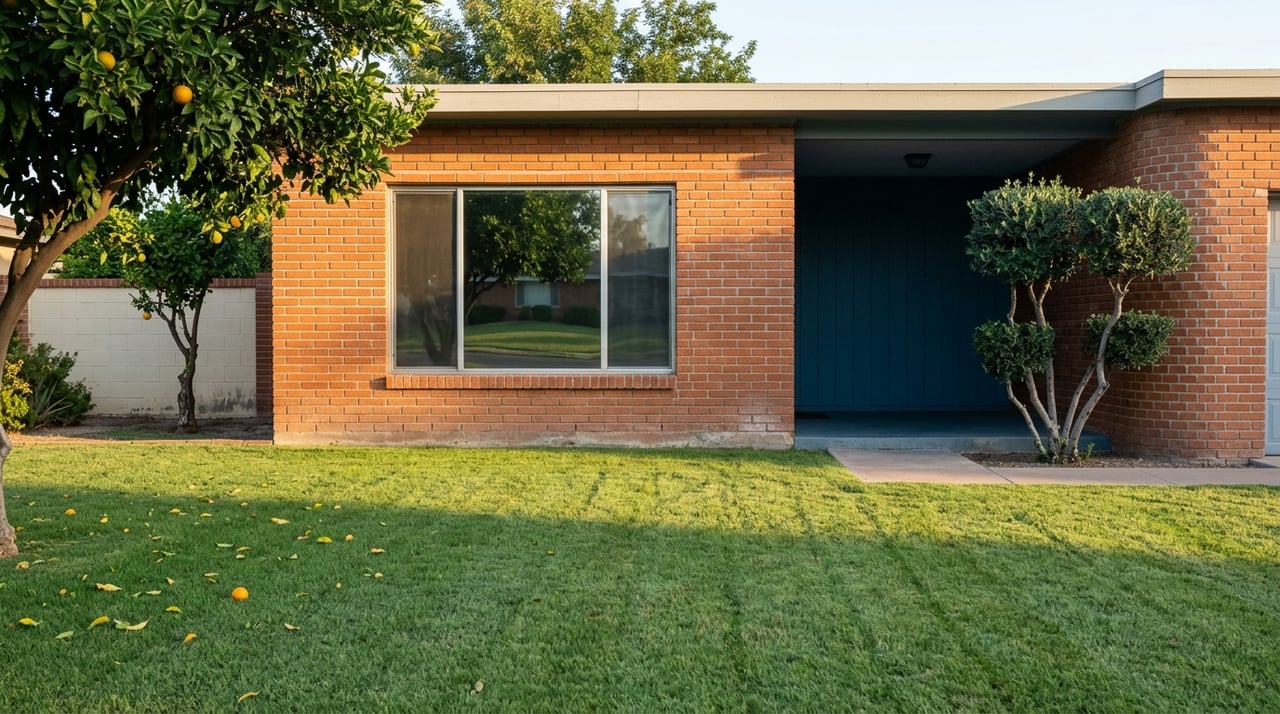
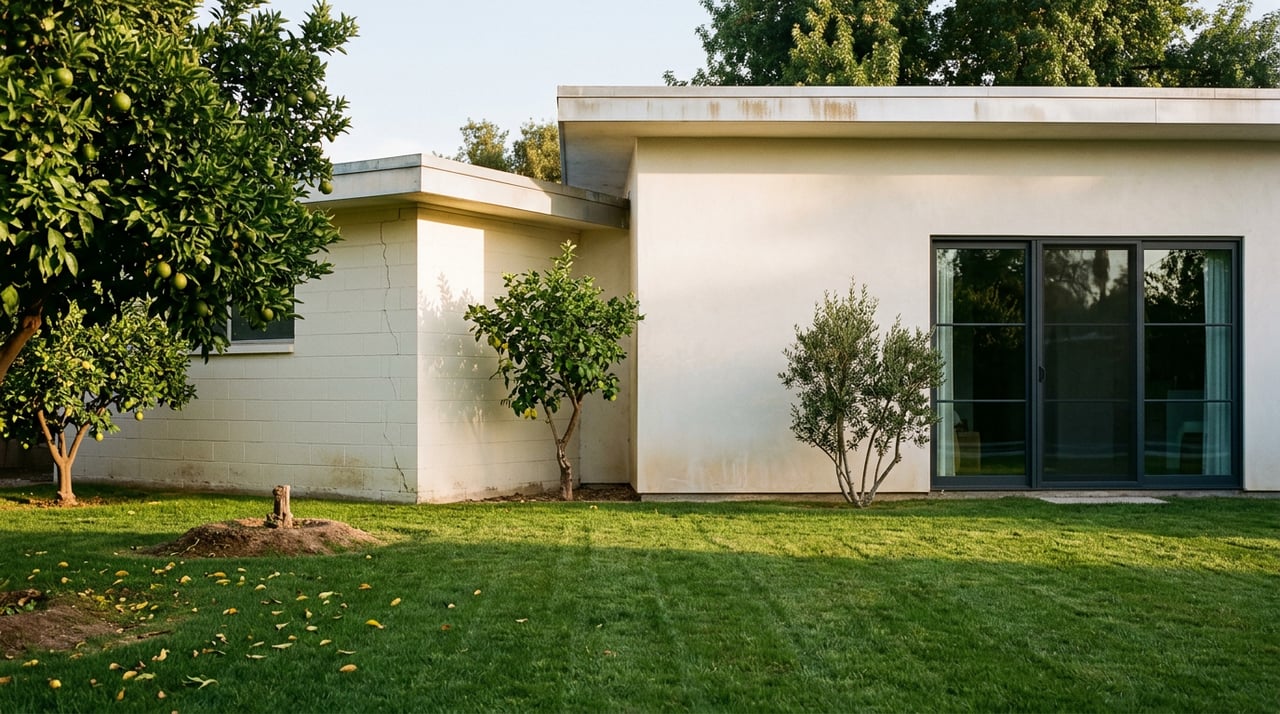
That setting matters because it influences how the neighborhood feels on an ordinary Tuesday, not just on a weekend. Arcadia has a mature residential character with broad lawns, generous setbacks, and historic citrus trees that create a softer, greener streetscape than many buyers expect in the desert.
One of the clearest lifestyle themes in Arcadia is that daily life tends to happen outdoors. The city’s planning framework emphasizes preserving mature trees and shaded streetscapes, and local neighborhood groups describe the area as a green desert oasis.
That translates into a routine built around movement and comfort. Morning walks, bike rides, park stops, and patio meetups feel like a natural part of the day here, especially in pockets near the canal system and mountain views.
The Grand Canalscape adds a 12-mile off-street route for walking, running, and biking. That kind of infrastructure gives Arcadia a connected feel that stands out for a close-in residential area.
The Old Cross Cut Canal walking routes and the 56th Street complete-streets project also reflect continued investment in pedestrian and bicycle access. Improvements such as shade trees, safer crossings, multi-use paths, and ADA upgrades support a more active, car-light lifestyle.
Camelback East’s village plan lists 84 miles of bike lanes and 62 miles of trails. For you, that means outdoor movement can be part of everyday living rather than a special trip across town.
Arcadia Park, Los Olivos Park, and Madison Park add practical neighborhood amenities to the mix. These spaces include features such as playgrounds, picnic areas, shade structures, pools, and room to relax outdoors.
Rather than serving as occasional destinations, these parks help support the daily rhythm of the area. They give residents easy options for fresh air, casual recreation, and time outside close to home.
Camelback Mountain is one of the area’s most recognizable outdoor anchors, and it sits right next to Arcadia. It is also about 20 minutes from downtown Phoenix, which reinforces how close the neighborhood is to both natural scenery and the urban core.
Papago Park adds another layer to the lifestyle. It offers easy trails and is also home to the Phoenix Zoo and Desert Botanical Garden, giving you more options for low-key outdoor time nearby.
Arcadia is primarily residential, but it has more dining density than many people expect. Local coverage consistently points to the area’s strong mix of restaurants, cafes, patios, and quick-stop retail.
That matters because convenience shapes quality of life. In Arcadia, brunch, coffee, takeout, and a casual patio dinner can often fit naturally into your routine without turning into a long drive.
Representative dining anchors in the area include La Grande Orange, Postino, The Vig, Chelsea’s Kitchen, Vecina, and O.H.S.O. Brewery + Distillery. Together, these spots help define Arcadia’s social rhythm.
The atmosphere is less about downtown nightlife and more about neighborhood-scale gathering. Think coffee runs, patio lunches, evening meetups, and familiar places that become part of your weekly pattern.
One especially telling detail comes from O.H.S.O.’s Arcadia location, which is described as canal-side with regular dog walkers and bike riders passing through, along with views of Camelback Mountain. That is a useful snapshot of what makes Arcadia feel lived-in and connected.
Retail stops like FOUND Arcadia and urbAna help round out the daily routine. These kinds of neighborhood-serving businesses support the idea that life here can revolve around short errands and local habits instead of constant cross-town trips.
Saguaro Library near 46th Street also adds an everyday civic anchor. It is the kind of place that quietly strengthens neighborhood life and gives the area more texture than a dining map alone can show.
A lot of sought-after neighborhoods offer attractive homes, but not all of them feel connected at the resident level. Arcadia stands out because there are signals of an active community culture, not just a strong location.
The Arcadia Camelback Mountain Neighborhood Association lists events such as community cleanups, a BBQ picnic, and an Auto-Rama. That kind of programming suggests a place where neighbors interact and shared identity still matters.
For many buyers, that balance is important. Arcadia can feel social and engaged without losing the quieter, landscaped residential character that draws people there in the first place.
One of Arcadia’s biggest lifestyle advantages is how easily it connects you to the broader metro. The area sits between Camelback Mountain and the Salt River, with Scottsdale effectively at its eastern edge and downtown Phoenix within easy reach.
Business listings referenced in local coverage place Arcadia-area destinations about 6 miles from downtown Phoenix and roughly 3 miles from Sky Harbor. For anyone balancing work, travel, dining, or appointments across the metro, that proximity can make daily life noticeably easier.
Because Arcadia reaches toward Scottsdale Road, Scottsdale is right at the doorstep of many Arcadia pockets. At the same time, downtown Phoenix remains accessible enough that you can enjoy a close-in location without giving up a more residential setting.
That combination is a major reason Arcadia remains so compelling. You get access to two key lifestyle centers while still living in an area known for mature landscaping, calmer streets, and neighborhood identity.
When you evaluate Arcadia, you are not only comparing homes. You are comparing routines, drive times, access to outdoor space, and the small conveniences that influence how a neighborhood feels over time.
In practical terms, Arcadia offers a lifestyle that is outdoor-first, shade-aware, and locally connected. If you value the ability to move easily between home, parks, dining, canal paths, and nearby city centers, Arcadia checks boxes that many close-in neighborhoods cannot match in the same way.
The strongest case for Arcadia is not any single feature. It is the way mature trees, historic citrus, canals, parks, patios, and central access all work together.
Some neighborhoods are convenient but feel busy. Others are beautiful but feel isolated. Arcadia tends to sit in a middle ground that many buyers find hard to replicate, with a residential setting that still supports an active and connected daily routine.
That is also why neighborhood precision matters here. Since Arcadia is better understood as a cluster of adjacent pockets, your experience may vary depending on whether you prioritize canal access, proximity to dining, a quieter interior street, or faster access toward Scottsdale.
For design-conscious and lifestyle-focused buyers, those micro-differences are worth studying closely. In a market where location details can shape both enjoyment and long-term value, understanding how Arcadia lives is just as important as understanding how Arcadia looks on paper.
If you are considering Arcadia as part of a move within Phoenix or a relocation to the area, a clear neighborhood-level strategy matters. The right guidance can help you weigh not just the home itself, but the daily routine, access, and positioning that make one pocket a better fit than another. To talk through Arcadia and other close-in luxury neighborhoods, connect with John Zook.
Experience a real estate partnership built on trust, expertise, and genuine care. John brings a lifelong understanding of what “home” truly means to every client and every decision.